Creating a Research Poster: Communicating Science in a Predefined Space
Research posters typically consist of predefined modules, including title, abstract, introduction, results, and summary. Numerous existing guides offer advice to researchers and students on colors, font sizes, and software for producing graphs. Those guides can work equally well; it is just that no single formula fits all research posters.
Instead of searching for a universal formula, here is one tip to improve any research poster: whichever approach you choose, aim to create a smooth, stable reading flow. It is the primary function of typography and the foundation for clear, effective communication.
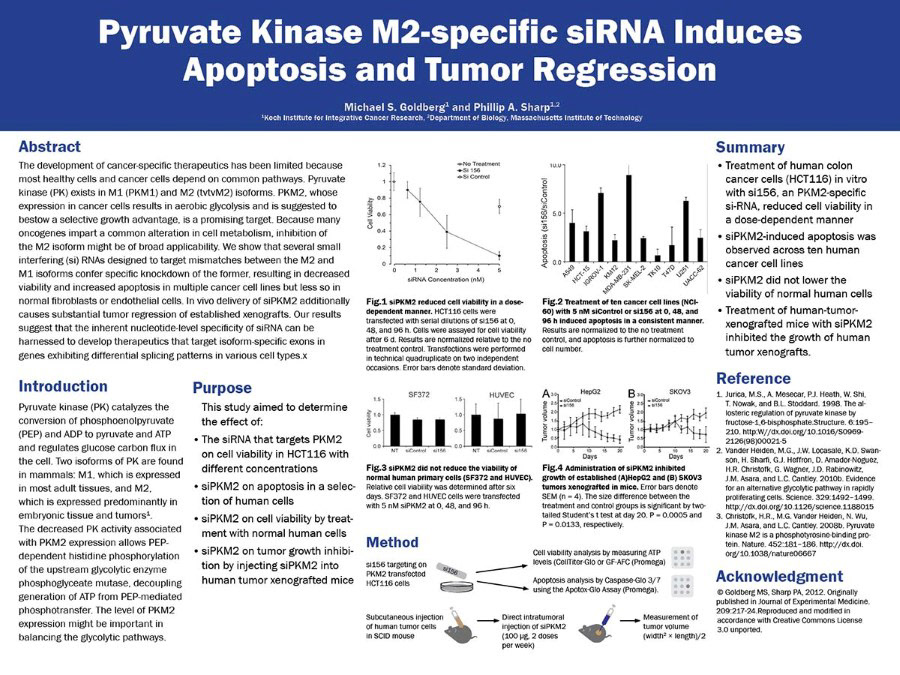
Before
1. Crowded Result section
2. Unnecessary spanning or split columns
3. Too much emphasis on the Reference and Acknowledgment headings
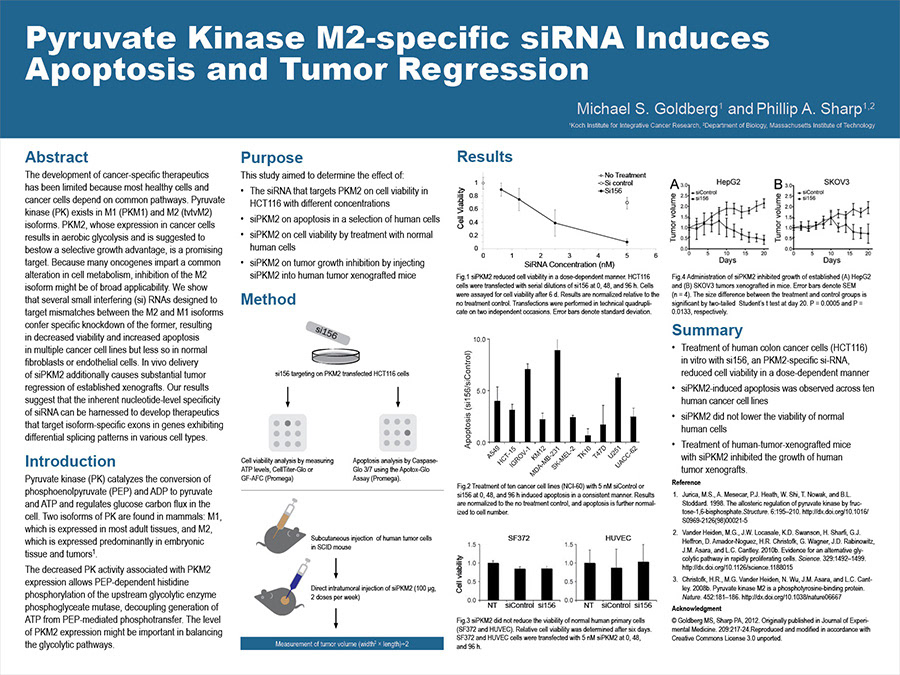
After
1. More space (and emphasis) for the data
2. Fewer visual turns in consolidated columns
3. Clearer hierarchy of sections
This approach improves reading flow without changing the words or the graphs. The process began by stepping back to view as if I were part of the audience. After identifying areas for improvement, I adjusted the column structure to place greater emphasis on the results section. This draws your audience’s attention to quickly access the data, thereby strengthening the impact of your research presentation.
Acknowledgment
© Goldberg MS, Sharp PA, 2012. Originally published in Journal of Experimental Medicine. 209:217-24. Reproduced and modified in accordance with Creative Commons License 3.0 unported.
© Goldberg MS, Sharp PA, 2012. Originally published in Journal of Experimental Medicine. 209:217-24. Reproduced and modified in accordance with Creative Commons License 3.0 unported.